Le Burkina Faso tranche le lien avec Paris : Ouagadougou rompt ses relations diplomatiques avec la France
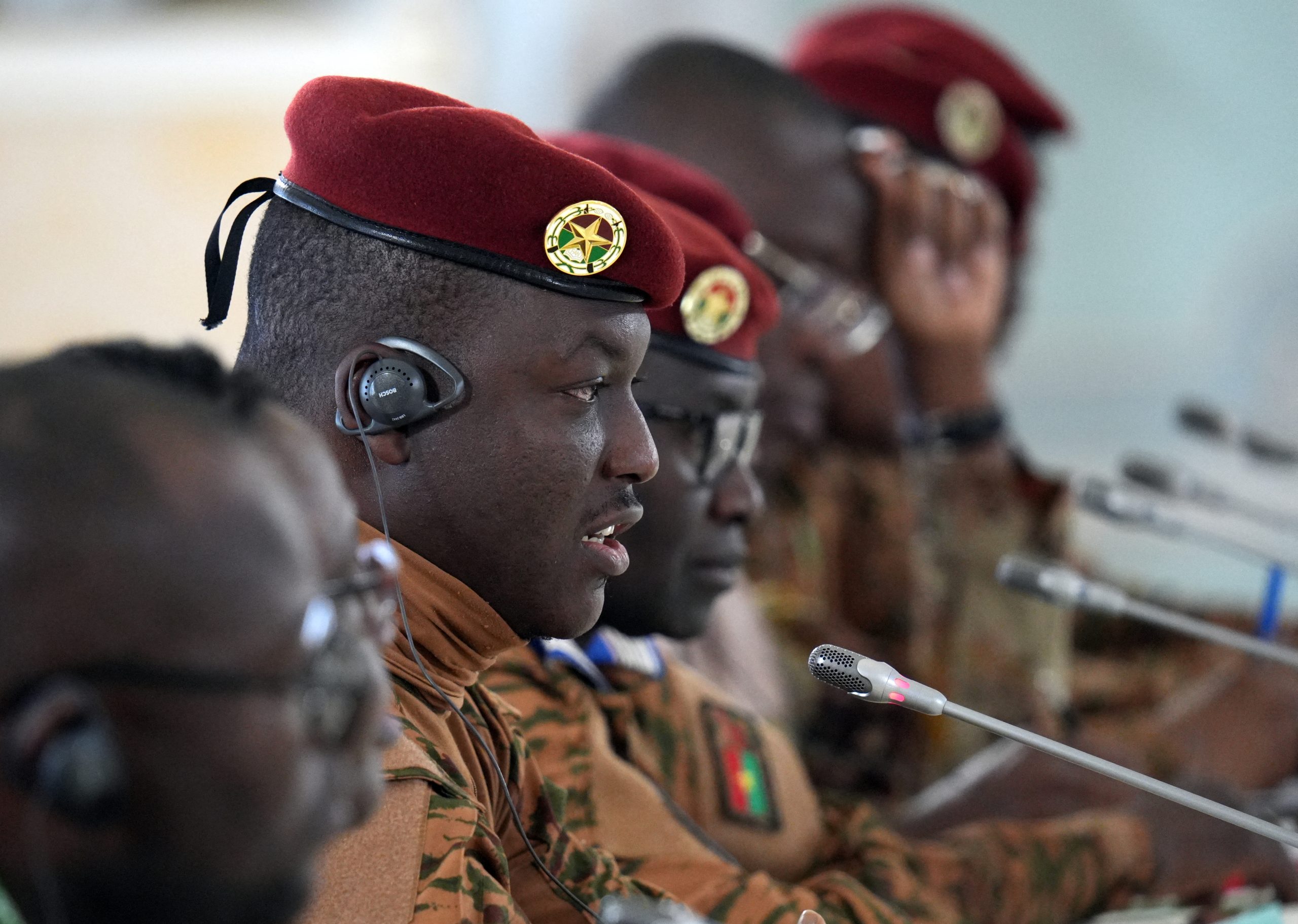

Dans une édition spéciale diffusée vendredi soir sur la Radiodiffusion Télévision du Burkina (RTB), le porte-parole du gouvernement, Pingdwendé Gilbert Ouédraogo, a officialisé la rupture totale des relations diplomatiques entre le Burkina Faso et la France. Soixante-six ans après son indépendance, le Burkina Faso tranche ainsi le dernier lien institutionnel qui l’unissait à son ancienne puissance coloniale, dans une décision à effet immédiat. Un acte sans précédent, présenté par la junte du capitaine Ibrahim Traoré comme un impératif de souveraineté nationale.
Une rupture au nom de la dignité nationale
Dans un communiqué solennel, les autorités burkinabè ont déclaré que «les conditions indispensables à la promotion de relations fondées sur le respect mutuel, la confiance réciproque, le respect du principe de non-ingérence dans les affaires intérieures et de la souveraineté nationale, ne sont plus réunies». Le gouvernement d’Ibrahim Traoré dit regretter «un activisme incessant du régime en place en France contre les intérêts du Burkina Faso», dénonçant en outre des «ambitions néocoloniales affichées avec le soutien actif à des réseaux subversifs et aux terroristes qui endeuillent notre pays et le Sahel».
Les autorités ont toutefois pris soin de préciser que cette rupture concerne «exclusivement le cadre institutionnel des relations entre les deux États au plan diplomatique», sans remettre en cause les liens humains, culturels et historiques entre les deux peuples. Le gouvernement a également assuré vouloir garantir la protection des ressortissants français sur le territoire burkinabè, appelant la population au calme et au civisme.
Un divorce consommé après trois ans de tensions
Cette rupture intervient après plusieurs années de dégradation des rapports entre les deux pays, depuis la prise du pouvoir par le capitaine Ibrahim Traoré en septembre 2022. Les autorités burkinabè avaient successivement dénoncé les accords militaires avec la France, obtenu le départ des forces françaises, fermé RFI et France 24, et multiplié les accusations d’ingérence.
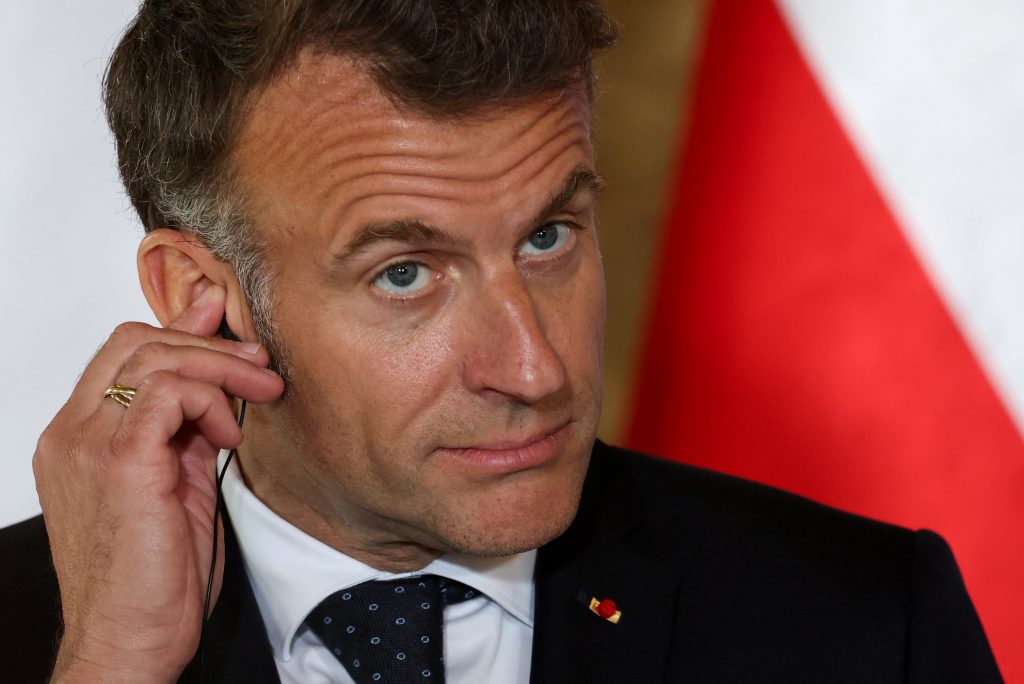
Quelques jours avant cette annonce, le ministre des Affaires étrangères, Karamoko Jean Marie Traoré, avait convoqué le chef de la délégation de l’Union européenne pour dénoncer une résolution du Parlement européen sur la situation des droits humains au Burkina Faso, qualifiée par Ouagadougou d‘«ingérence inacceptable» inspirée par «des réseaux obscurs à la solde de la France». ans une note verbale datée du 23 juin, le ministère des Affaires étrangères avait qualifié cette résolution de logique «néocoloniale» contraire aux principes de la Charte des Nations Unies.
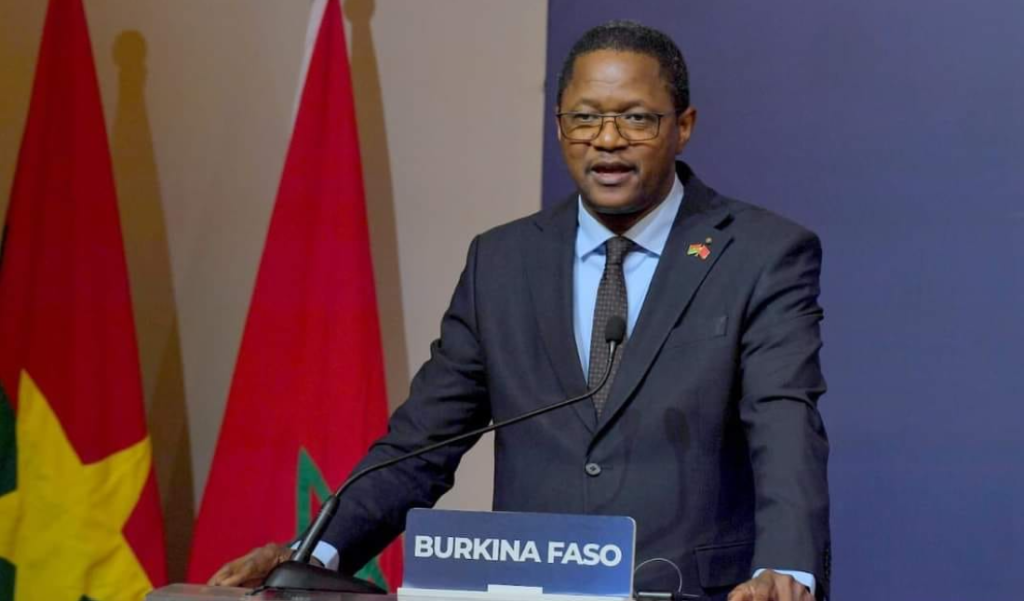
En mai dernier, le régime militaire avait également interdit la diffusion de TV5 Monde, accusée de «désinformation» et d’«apologie du terrorisme».
Le Burkina dans le sillage du Mali et du Niger
Le Mali avait ouvert la voie dès janvier 2022 en expulsant l’ambassadeur français, avant de procéder à de nouvelles expulsions croisées en septembre 2025. Côté nigérien, le pouvoir avait exigé le départ des troupes françaises dès l’automne 2023. Le Burkina Faso avait lui aussi expulsé des diplomates français en avril 2024.
En mars 2025, les trois pays de l’Alliance des États du Sahel (AES) avaient franchi une étape symbolique supplémentaire en quittant conjointement l’Organisation internationale de la Francophonie. La rupture s’accompagnait d’un pivot stratégique assumé : les gouvernements ont progressivement remplacé la coopération militaire française par le recours à la Russie, via le groupe Wagner, rebaptisé Africa Corps, et renforcé leurs liens avec la Chine sur le volet infrastructures.
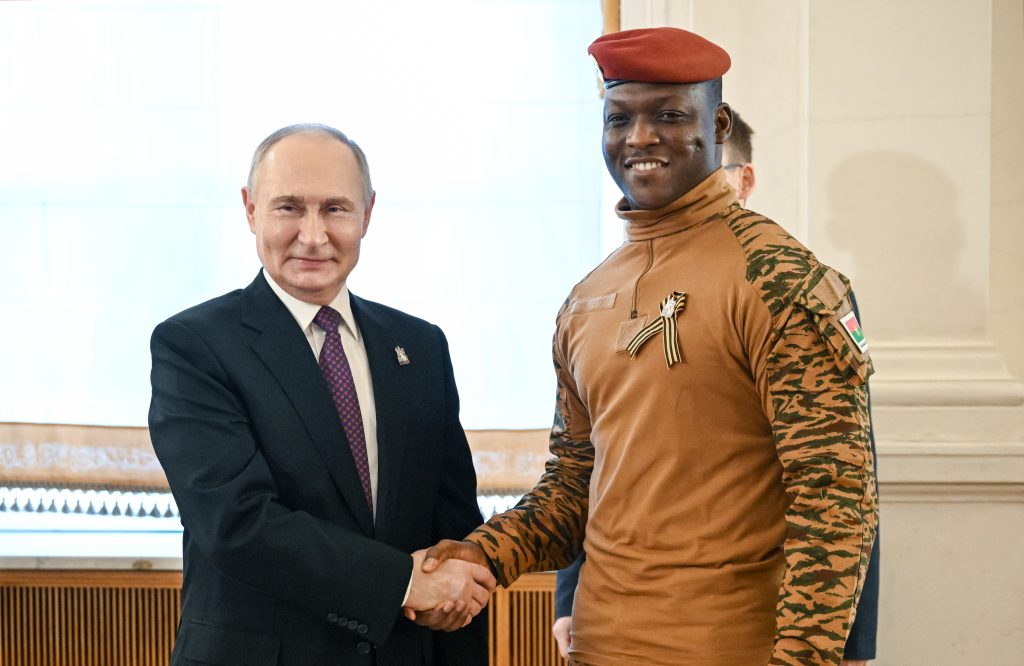
Désormais, le Burkina Faso entend réorienter sa diplomatie vers une diversification de ses partenariats, en mettant l’accent sur la coopération Sud-Sud et l’établissement de relations équilibrées avec les États respectant l’égalité souveraine. Paris, de son côté, n’avait pas réagi officiellement dans les heures suivant l’annonce.
في نشرة خاصة بثّتها قناة الإذاعة والتلفزيون البوركينية (RTB) مساء الجمعة، أعلن المتحدث باسم الحكومة بينغدويندي غيلبار ويدراوغو القطيعة الدبلوماسية الكاملة مع فرنسا، بمفعول فوري. جاء الإعلان بعد ست وستين عاماً من الاستقلال، ليقطع آخر رابط مؤسسي يجمع بوركينا فاسو بقوتها الاستعمارية السابقة، في خطوة قدّمها نظام الكابتن إبراهيم تراوري باعتبارها ضرورة تفرضها السيادة الوطنية.
قطيعة باسم الكرامة الوطنية
أعلنت الحكومة البوركينية في بيانها الرسمي أن «الشروط الضرورية لإقامة علاقات مبنية على الاحترام المتبادل والثقة المتبادلة وعدم التدخل في الشؤون الداخلية واحترام السيادة الوطنية لم تعد متوافرة». ووصف الحكم العسكري ما سمّاه «نشاطاً متواصلاً للنظام الفرنسي ضد مصالح بوركينا فاسو»، متهماً باريس بالسعي إلى «طموحات استعمارية جديدة مدعومة بمساندة فاعلة لشبكات تخريبية وإرهابيين يُدمّون بلادنا والساحل».
غير أن السلطات حرصت على التأكيد أن القطيعة تخص حصراً الإطار المؤسسي للعلاقات الدبلوماسية بين الدولتين، دون المساس بالروابط الإنسانية والثقافية والتاريخية بين الشعبين. وأكدت الحكومة التزامها بضمان حماية الرعايا الفرنسيين على الأراضي البوركينية، داعيةً المواطنين إلى التحلي بالهدوء والمسؤولية المدنية.
طلاق تراكمي على مدى ثلاث سنوات من التوترات
تأتي هذه القطيعة بعد تدهور مطرد في العلاقات بين البلدين منذ استيلاء الكابتن إبراهيم تراوري على السلطة في سبتمبر 2022. فقد أقدمت السلطات البوركينية تدريجياً على إلغاء الاتفاقيات العسكرية مع فرنسا، وانتزاع سحب القوات الفرنسية، وإغلاق راديو فرنسا الدولي وقناة فرانس 24، وتصاعدت اتهاماتها بالتدخل في شؤونها الداخلية. وقبل أيام قليلة من هذا الإعلان، استدعى وزير الخارجية كارامكو جان ماري تراوري سفير الاتحاد الأوروبي لدى واغادوغو للاحتجاج على قرار البرلمان الأوروبي بشأن حقوق الإنسان في بوركينا فاسو، واصفاً إياه بأنه «تدخل سافر» مستوحى من «شبكات مظلمة في خدمة فرنسا». وفي مايو الماضي، أقدم النظام العسكري على حظر بث قناة TV5 Monde بتهمة «التضليل» و«تمجيد الإرهاب».
بوركينا فاسو على خطى مالي والنيجر
كان مالي قد فتح هذا الطريق منذ يناير 2022 بطرد السفير الفرنسي، قبل أن تتجدد طرد الدبلوماسيين في سبتمبر 2025. أما النيجر فقد طالبت بانسحاب القوات الفرنسية منذ خريف 2023، وكانت بوركينا فاسو قد طردت بدورها دبلوماسيين فرنسيين في أبريل 2024. وفي مارس 2025، أجرت الدول الثلاث الأعضاء في تحالف دول الساحل (AES) انسحاباً مشتركاً من منظمة الفرانكوفونية الدولية، مصحوباً بتحول استراتيجي معلن نحو روسيا عبر مجموعة واغنر المعاد تسميتها «أفريكا كوربس»، وتعميق الشراكة مع الصين في مجال البنية التحتية. وتسعى واغادوغو اليوم إلى تنويع شراكاتها في إطار التعاون جنوب-جنوب، فيما لم تصدر عن باريس أي ردة فعل رسمية في الساعات التالية للإعلان.
In a special broadcast aired Friday evening on the national Burkinabe broadcaster RTB, government spokesman Pingdwendé Gilbert Ouédraogo officially announced the complete severing of diplomatic relations between Burkina Faso and France, effective immediately. Sixty-six years after independence, Burkina Faso has cut the last institutional bond linking it to its former colonial power, in a move presented by Captain Ibrahim Traoré’s junta as an imperative of national sovereignty.
A Break in the Name of National Dignity
In a formal communiqué, the Burkinabe authorities declared that « the conditions essential to promoting relations based on mutual respect, reciprocal trust, the principle of non-interference in internal affairs, and the respect of national sovereignty are no longer met. » The government of Ibrahim Traoré denounced what it described as « incessant activism by the regime in France against Burkina Faso’s interests, » and further accused Paris of harbouring « neocolonial ambitions openly displayed through active support for subversive networks and terrorists who are devastating our country and the Sahel. »
The authorities were careful to specify, however, that the break concerned exclusively the institutional framework of diplomatic relations between the two states, without calling into question the human, cultural, and historical ties between the two peoples. The government also pledged to guarantee the protection of French nationals on Burkinabe territory and called on the population to remain calm and civic-minded.
A Divorce Three Years in the Making
The rupture comes after years of steady deterioration since Captain Ibrahim Traoré seized power in September 2022. The Burkinabe authorities had progressively renounced military agreements with France, demanded the withdrawal of French forces, shut down RFI and France 24, and multiplied accusations of interference. Just days before Friday’s announcement, Foreign Minister Karamoko Jean Marie Traoré had summoned the European Union’s ambassador to denounce a European Parliament resolution on human rights in Burkina Faso, which Ouagadougou labelled an « unacceptable interference » inspired by « shadowy networks in France’s service. » In May, the military regime had also banned the French broadcaster TV5 Monde on charges of « disinformation » and « glorification of terrorism. »
Burkina Faso Following in Mali and Niger’s Footsteps
Mali opened this path as far back as January 2022, expelling the French ambassador, with further mutual expulsions in September 2025. Niger demanded the departure of French troops in autumn 2023, while Burkina Faso had itself expelled French diplomats in April 2024. In March 2025, all three members of the Alliance of Sahel States (AES) jointly withdrew from the International Organisation of La Francophonie, in a move that accompanied a deliberate strategic pivot: governments have progressively replaced French military cooperation with reliance on Russia, through the Wagner Group, rebranded as Africa Corps, and deepened ties with China on infrastructure. Burkina Faso now seeks to reorient its diplomacy toward South-South cooperation and diversified partnerships, while Paris had issued no official response in the hours following the announcement.
Crédit: Lien source